
 Promotions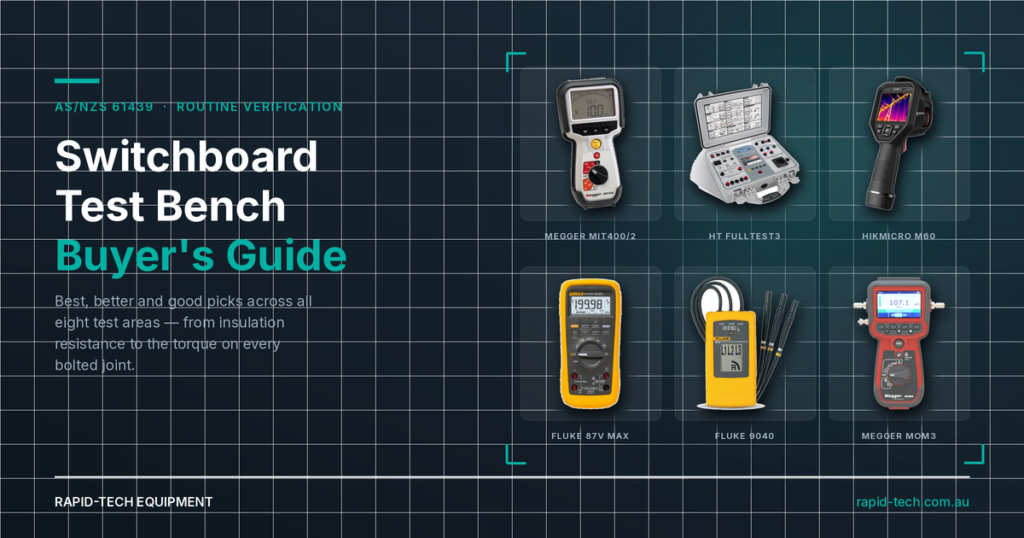
Every switchboard that leaves an Australian factory floor now carries an obligation: prove it meets AS/NZS 61439. That proof comes from a properly equipped test bench covering eight distinct areas, from insulation resistance through to the torque on every bolted joint.
Budgets and testing volumes differ from one workshop to the next, so we’ve broken each of the eight areas into three tiers — a best option for high-throughput or diagnostic-heavy use, a better option that balances capability and cost, and a good option that covers the compliance requirement without the extras. All of it is genuinely on our shelves, across the brands we distribute.
1. Insulation Resistance Testers (Megohmmeters)
Confirms the dielectric strength between conductors and earth is high enough to prevent leakage or breakdown under normal operating stress.
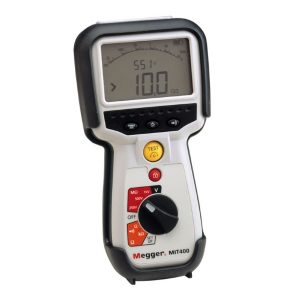
- Best — Megger MIT400/2 series. Purpose-built for panel building among other applications, testing at 250V, 500V and 1000V with feedback-controlled test voltages that limit overvoltage to just 2%. Auto-ranging continuity from 0.01Ω to 1.0MΩ.
- Better — Fluke 1535/1537 2500V Insulation Tester. Insulation resistance up to 500GΩ at test voltages up to 2500V, with automatic calculation of polarization index (PI) and dielectric absorption ratio (DAR) — the 1537 adds dielectric discharge (DD) testing for finding defects that spot tests alone can miss.
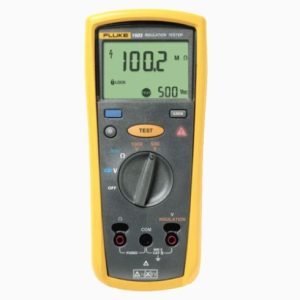
- Good — Kyoritsu 3021 Digital Insulation/Continuity Tester. Insulation resistance to 2000MΩ across four voltage ranges (125V–1000V), continuity testing, and AC voltage measurement in a straightforward, budget-friendly package.
2. Dielectric (Hipot) Testers
Proves the assembly can survive a transient overvoltage event (a lightning-induced surge or switching spike) without flashover or breakdown — one of the mandatory routine verification tests under AS/NZS 61439.
- Best — HT Italia FULLTEST3. Dielectric withstand testing up to 5100V, built around IEC/EN 61439 requirements, and doubles as an RCD, MCB curve and impedance tester — the closest thing to an all-in-one routine verification station available.
3. Earth Continuity / Bonding Testers
Proves every metallic part of the assembly — enclosure, doors, mounting frames — is bonded to the protective earth with a resistance low enough to safely carry fault current.
- Best — Megger DLRO10HD. A 10A digital low resistance ohmmeter built for repetitive, production-line bonding verification — runs continuously from mains or battery, IP65 rated with the lid closed, four-wire Kelvin measurement accuracy.
- Better — Metrel MI 3250. A 10A micro-ohmmeter/ductor tester with automatic bidirectional current mode and onboard result storage — a strong alternative for workshops standardised on Metrel’s platform.
- Good — Prova 730 Micro-Ohmmeter. A 4-wire, 10A micro-ohmmeter with 0.1µΩ best resolution, HI-LO limits with pass/fail judgment, and built-in protection against accidental live-circuit measurement — a straightforward, dependable option for lower-volume bonding checks.
4. Busbar & Joint Integrity Testing
AS/NZS 61439 requires proof that every bolted busbar joint and circuit-breaker connection has a low enough contact resistance to avoid nuisance heating under load. This is a different test to earth bonding above — it’s about the current-carrying joints in the power path, not the protective earth — and it calls for a higher test current. As a rule of thumb, IEC guidance suggests at least 50A for reliable circuit breaker and busbar joint testing, with IEEE recommending 100A or more, so the instrument you reach for matters more here than almost anywhere else on the bench.
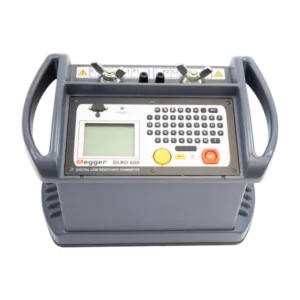
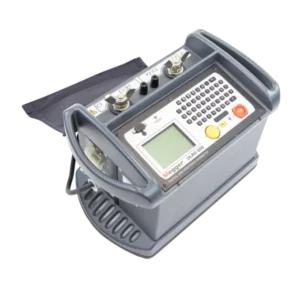
- Best — Megger DLRO600. A 600A digital low resistance ohmmeter built for the heaviest circuit-breaker and busbar joint work — four-terminal Kelvin measurement, on-board memory for 300 results, and enough current headroom to comfortably clear both IEC and IEEE guidance.
- Better — Megger MOM3. A 300A handheld micro-ohmmeter that’s genuinely portable at 1.1kg, auto-ranging and Wi-Fi enabled — built to move down a production line checking joint after joint without slowing anyone down.
- Good — MOSTEC VG-BAT-200. A 200A portable micro-ohmmeter with a sunlight-readable touchscreen and programmable current presets — still comfortably above the 50A+ IEC guidance, making it a genuinely compliant entry point rather than a compromise.
5. Digital Multimeters (DMMs)
Every test bench needs a solid general-purpose DMM for baseline AC/DC voltage, current and resistance checks during wiring inspections and functional tests.
- Best — Fluke 87V MAX. True-RMS accuracy for non-linear signals, CAT III 1000V / CAT IV 600V ratings, IP67 rugged case. The industry benchmark.
- Better — Megger DCM340. Combines clamp meter and multimeter functions in one unit — AC/DC current to 600A, voltage to 600V, resistance and frequency — removing the need to carry two separate tools.
- Good — Kyoritsu KEW 1019R. True-RMS readings, a clear display and CAT III 300V / CAT II 600V safety rating in a compact, everyday-use package.
6. Phase Rotation / Sequence Meters
Confirms correct phase sequence on multi-phase distribution boards before they ship — a quick check that prevents a connected motor running backwards on site.
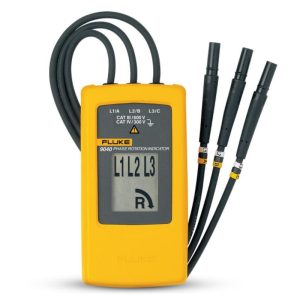
- Best — Fluke 9040. A rotary field indicator with a clear LCD readout, rated up to 700V and suited to commercial and industrial applications up to 400Hz.
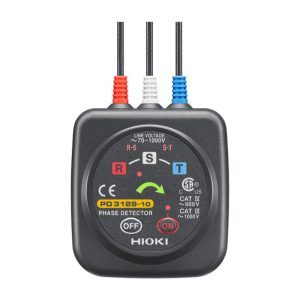
- Better — Hioki PD3129-10. A non-contact phase rotation tester rated CAT IV 600V / CAT III 1000V, with clips accepting conductor diameters from 7mm to 40mm — suited to industrial and utility-scale switchboards where thicker cables are the norm. A magnetic base allows hands-free attachment to a distribution panel.
- Good — SEW 890PR Non-Contact Phase Sequence Tester. Clamps onto insulated cable with no need to contact live parts, indicating phase presence, rotation direction and sequence via LED and buzzer.
7. Calibrated Torque Wrenches
Every screwed and bolted connection in a switchboard — busbar joints, terminal lugs, earth connections — needs to be tightened to the correct torque. Too loose and you get high-resistance joints and heat; too tight and you risk damaging the connection.
Torque wrenches themselves sit outside our core electrical test equipment range, so we won’t pretend to offer a tiered lineup here. What we can do is keep your existing torque wrenches on the same compliance footing as the rest of your bench: Rapid-Tech arranges NATA-traceable calibration for torque wrenches alongside your electrical instruments, so your mechanical and electrical verification records sit on one schedule.
8. Thermal Imaging
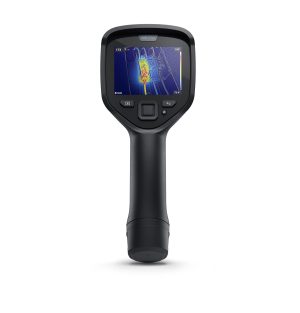
Catches a high-resistance joint or hot spot under load during factory acceptance testing, before a board ever reaches site.
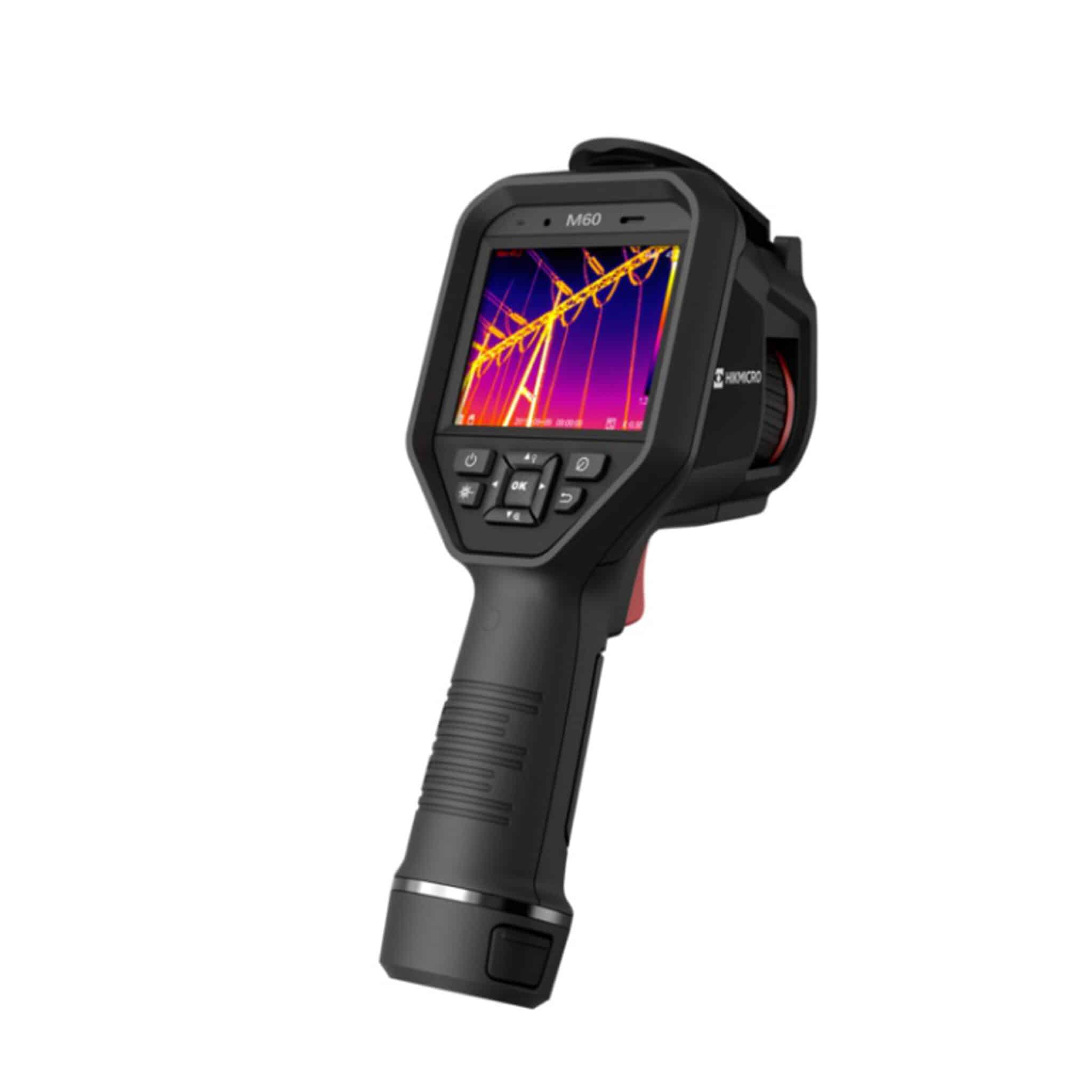
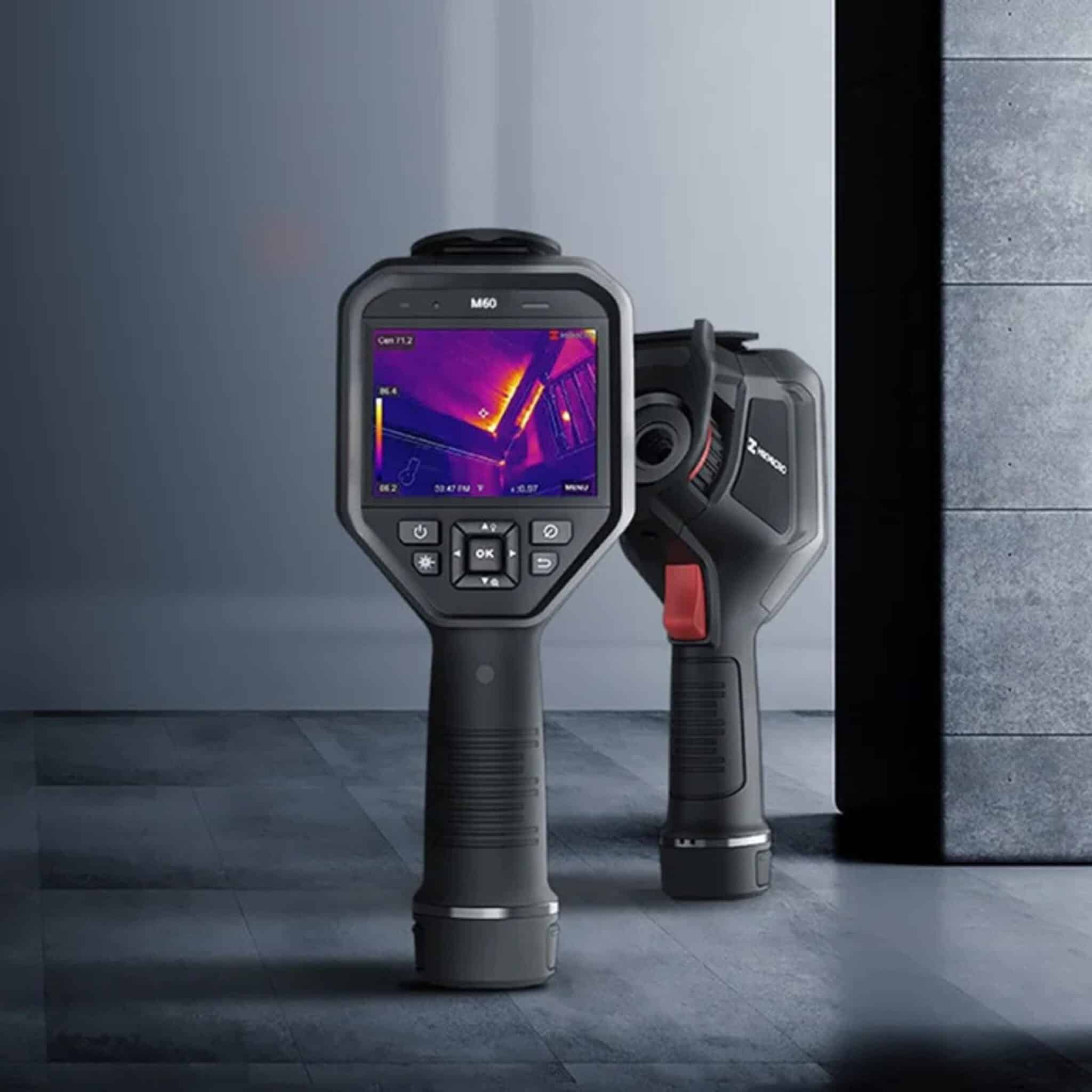
- Best — HIKMICRO M60. A 640×480 thermal camera (SuperIR-boosted to 1280×960) with a sensitive VOx detector (NETD <35mK), multiple imaging modes (Thermal, Fusion, PIP, Optical), and two hot-swappable batteries for up to 12 hours of continuous inspection — built for detailed, all-day factory acceptance work.
- Better — FLIR E8 Pro. Pro-series thermal camera with MSX image enhancement (overlaying visual detail onto the thermal image for easier fault interpretation) and Ignite cloud connectivity, so thermal reports can be filed straight into your verification records.
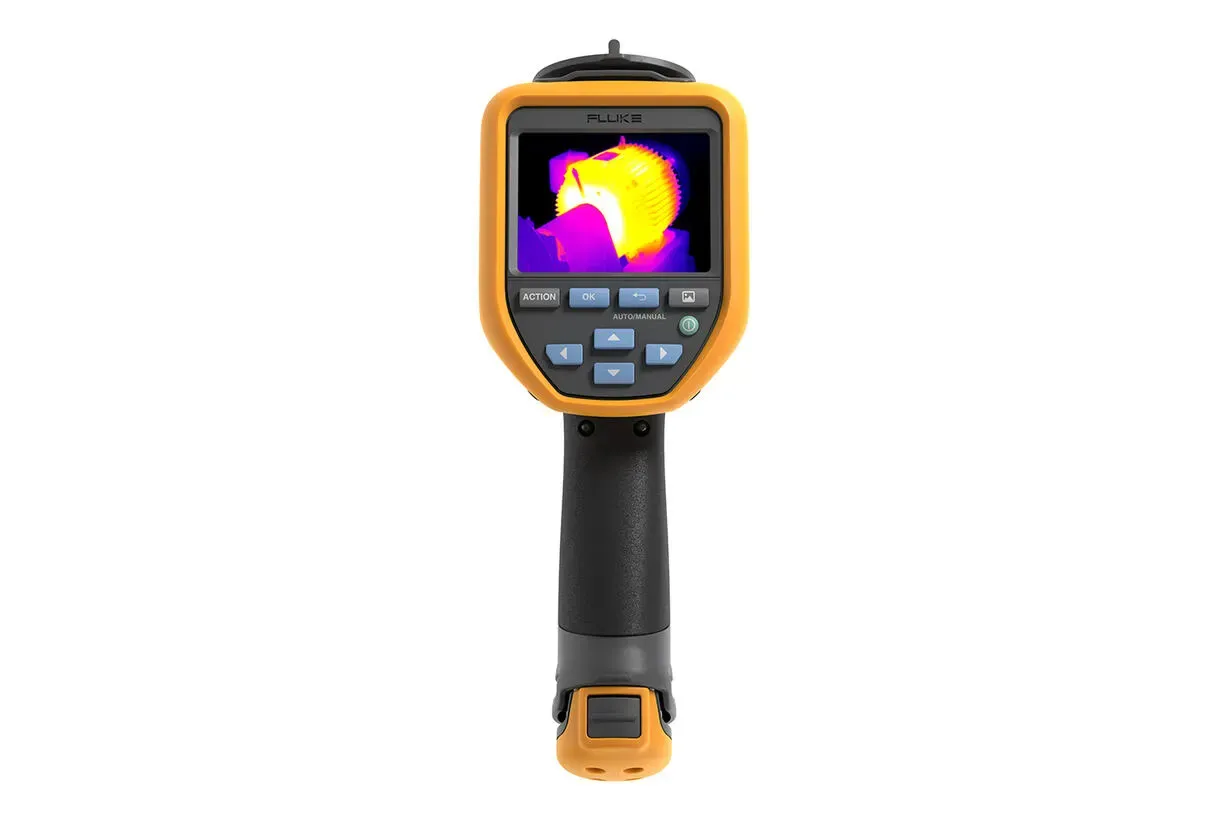
- Good — Fluke TiS75 PRO (42°). 384×288 infrared resolution with SuperResolution enhancement to 768×576, fully-radiometric infrared streaming, and Wi-Fi image transfer — a strong-value entry into Fluke’s Pro-series thermal range.
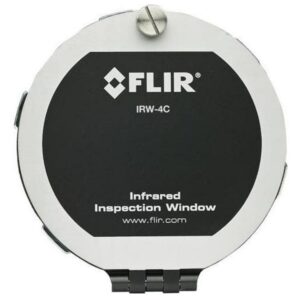
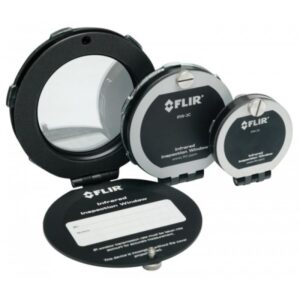
Worth considering alongside any of the above: FLIR IRW-Series IR Windows. Not a camera, but arguably the highest-value option for a board that will be re-inspected for years: a broadband crystal lens window installed directly into the enclosure, giving a permanent, sealed viewport for thermal and visual inspection with any camera — without ever opening the cabinet door. Available in 3″ and 4″ sizes.
Building the full bench
Across all eight areas, you’ll notice the “best” tier tends to be the instrument built specifically around AS/NZS 61439 or heavy production-line use, while the “good” tier still meets the compliance requirement without the diagnostic extras. Most workshops land somewhere in the middle — and there’s no rule that says every instrument on your bench needs to be the same tier.
As an authorised distributor for Fluke, Megger, FLIR, HT Italia, Kyoritsu, Metrel and Hioki — and stockist of Uni-T, SEW, Extech, MOSTEC, HIKMICRO, PROVA and more — we can help you put together whichever mix suits your throughput and budget, arrange demonstrations on your floor, and keep the whole fleet on a single NATA-traceable calibration schedule.
Products for Switchboard


Electrical Testers
HT Instruments FULLTEST3 Professional Multifunction Safety Tester


Insulation Testers

Low Resistance Ohmmeter
10A Micro Ohmmeter / 10A Ductor | MEGGER DLRO10HD 10 Amp Digital Low Resistance Ohmmeter


All Thermal Imagers / Infrared Cameras


Insulation / Continuity Testers


Fluke Multimeters
FLUKE 179 True RMS Digital Multimeter with Backlight & Temperature



Low Resistance Ohmmeter


Insulation Testers
Megger MIT400/2 | Insulation Tester | 250 V, 500 V and 1000V CAT IV


Building Infrastructure

Insulation / Continuity Testers


Building Infrastructure


Get in touch with the Rapid-Tech team:
📞 1800 358 531
✉️ sales@rapid-tech.com.au
🌐 www.rapid-tech.com.au