
 Promotions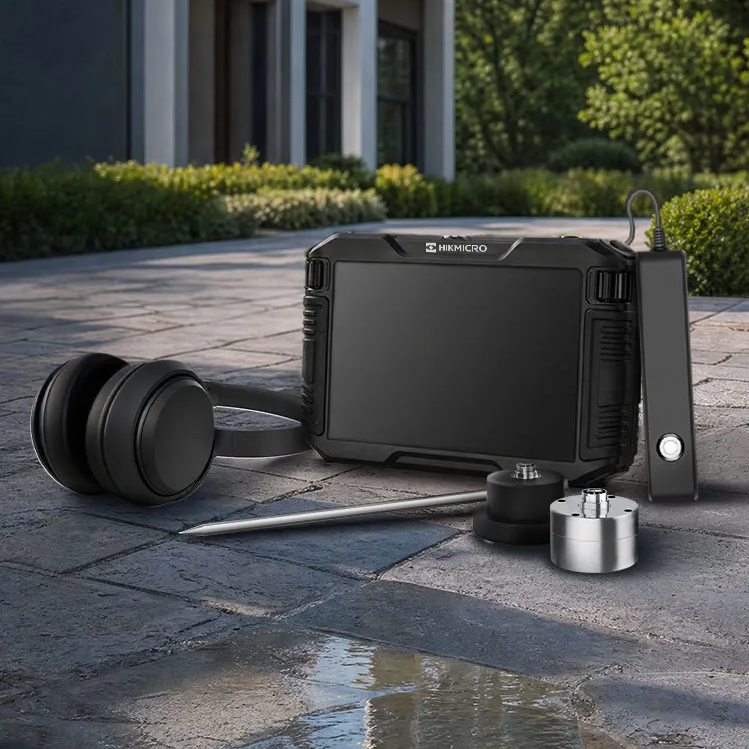


The problem with indoor leaks: you can hear something’s wrong, but you can’t see it
A dripping tap is easy. A leak behind a bathroom wall, under a slab, or inside a hydronic heating loop is a different job altogether. By the time a ceiling stain, a spike in the water bill, or a damp patch on the carpet gives the game away, water may have been tracking through a wall cavity or under a floor for weeks. Every hour spent guessing at a leak location is an hour of potential water damage, mould growth, and an increasingly frustrated homeowner or facility manager standing over your shoulder.
The traditional fallback — invasive investigation — means cutting into plasterboard, lifting tiles, or trenching a slab on a hunch. Get it wrong and you’ve created a repair bill on top of the original problem, plus a client who’s now questioning your judgement. For technicians working across strata properties, aged care facilities, or commercial fitouts, that kind of exploratory damage isn’t just costly, it’s often not an option at all.
How the AD22P-I earns its keep
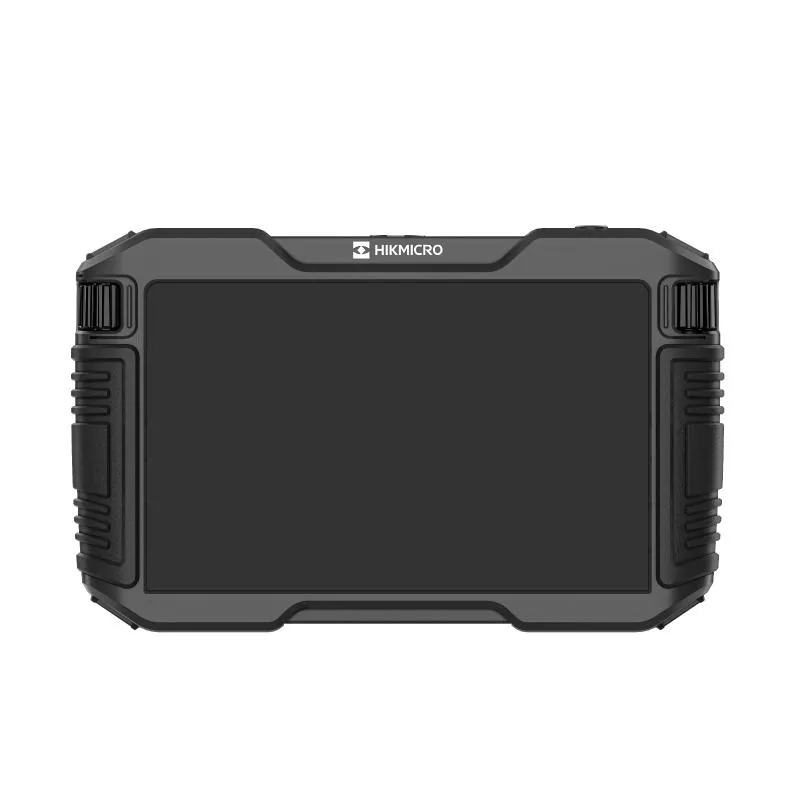
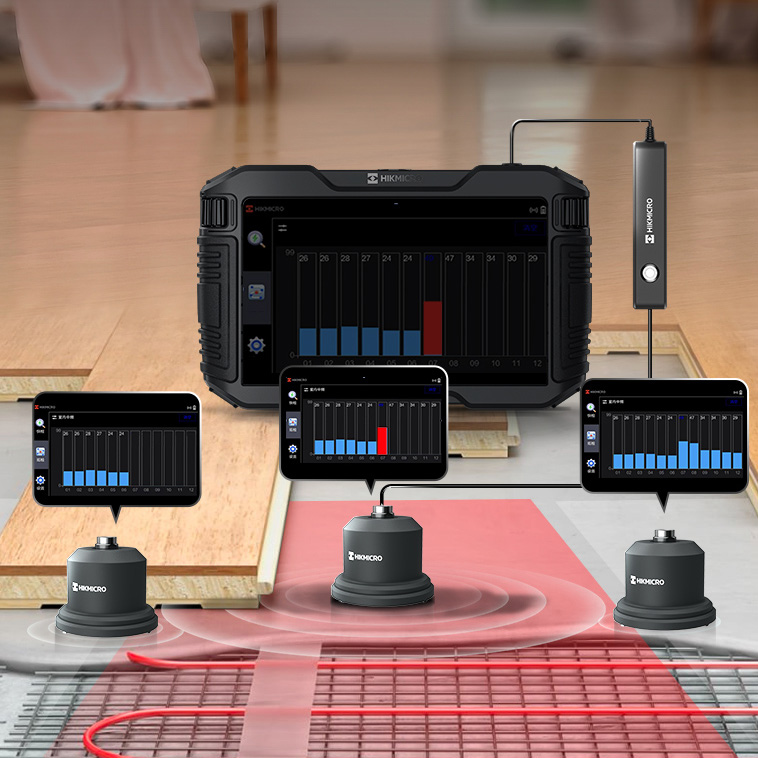
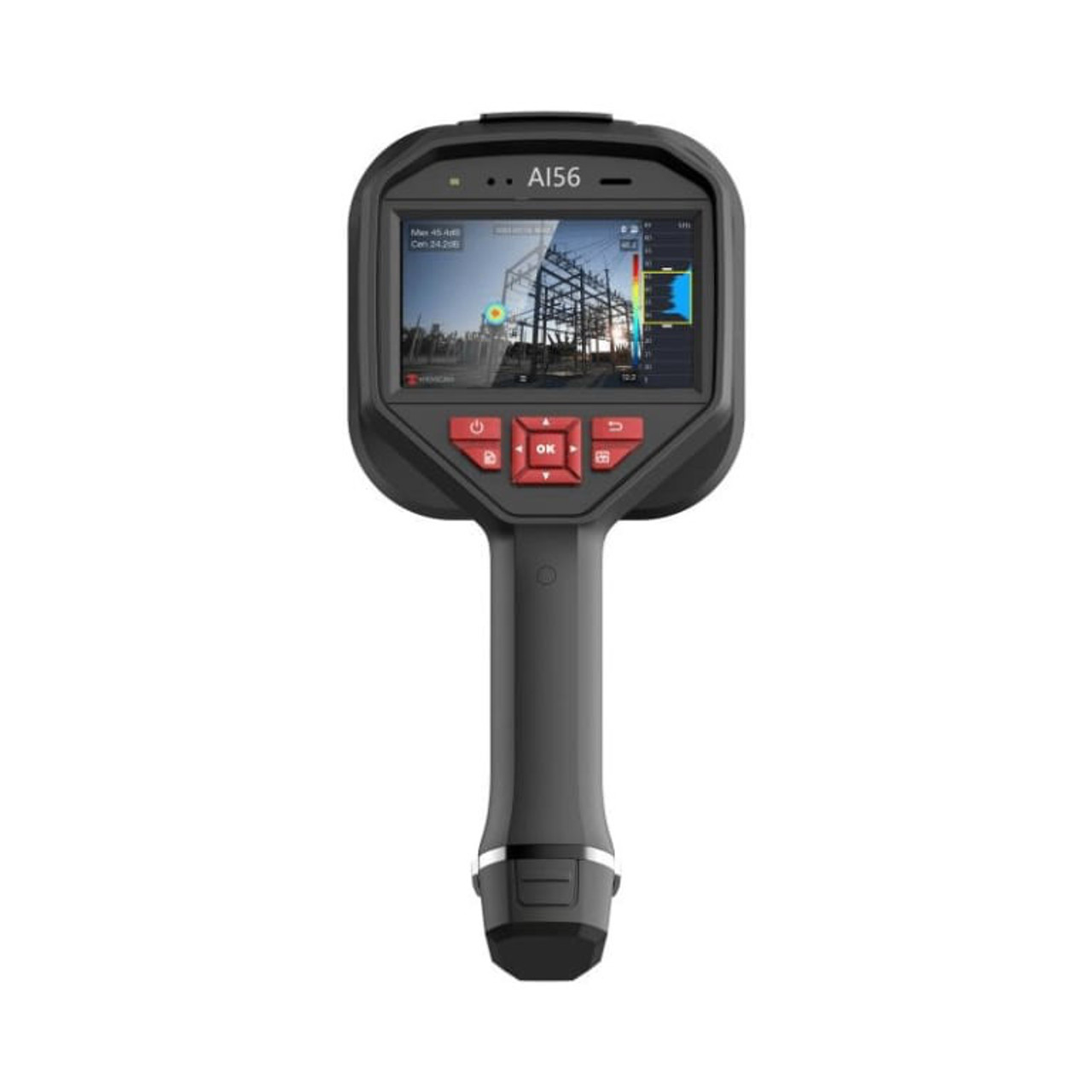
The HIKMICRO AD22P-I is built specifically to answer one question with confidence: where, exactly, is this leak? It does that by listening rather than guessing. Pressurised water escaping through even a hairline crack in a pipe generates a distinct acoustic signature — a hiss or turbulent flow noise that travels through pipework, concrete, and building structure. The AD22P-I’s indoor sensor is tuned to pick up that signature through walls, floors, and ceilings, while the main unit’s processing does the work of separating leak noise from the ambient racket of an occupied building — foot traffic, HVAC systems, appliances, road noise from outside.
What sets this unit apart from a basic listening stick is HIKMICRO’s SuperDetect function. Rather than relying purely on trained ears and years of field experience, SuperDetect analyses the captured acoustic data and highlights the areas most likely to contain the leak directly on the 7″ touchscreen. It’s not a replacement for technician judgement — it’s a second opinion that helps newer techs get up to speed faster and helps experienced techs move through a job with more certainty and less second-guessing.
The AD22P-I also gives you control over exactly what frequency range you’re listening to, which matters more than it sounds. Different leak scenarios — a slab leak, a wall-cavity leak, an underfloor heating pipe — produce sound at different frequencies depending on pipe material, water pressure, and what the sound has to travel through before it reaches the sensor. Indoor Mode 1 (5,000–16,000 Hz) and Indoor Mode 2 (8,000–16,000 Hz) give you two pre-set bands tuned for typical indoor scenarios, while Custom Mode lets you dial in anywhere from 200 to 16,000 Hz if a job needs something more specific. That flexibility means you’re not fighting the instrument to get a clean signal — you’re tuning it to the job in front of you.
Two ways to work a job
Every leak investigation doesn’t follow the same pattern, so the AD22P-I supports two inspection workflows. Quick Inspection Mode is built for rapid comparison — walk the suspected area, compare relative sound intensity at a handful of points, and narrow down a general zone fast. That’s the mode you reach for when a facilities manager wants an answer before lunch and the leak is reasonably contained to one section of a building.
Route Inspection Mode is the more methodical option: a structured, multi-point walkthrough that builds a clearer picture across a wider area before you commit to a pinpoint location. It’s the better fit for larger commercial fitouts, multi-unit residential buildings, or any job where getting it wrong the first time means a second, more awkward conversation with the client about why the wall’s been opened up twice.
Locate, localise, pinpoint — that’s the practical workflow this device is designed around, and having both inspection modes available means you’re not forcing every job through the same process.
What’s actually in the box, and why it matters for indoor work
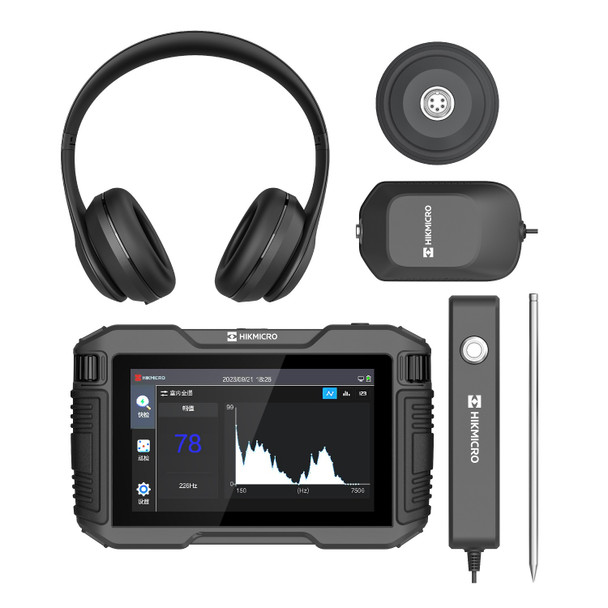
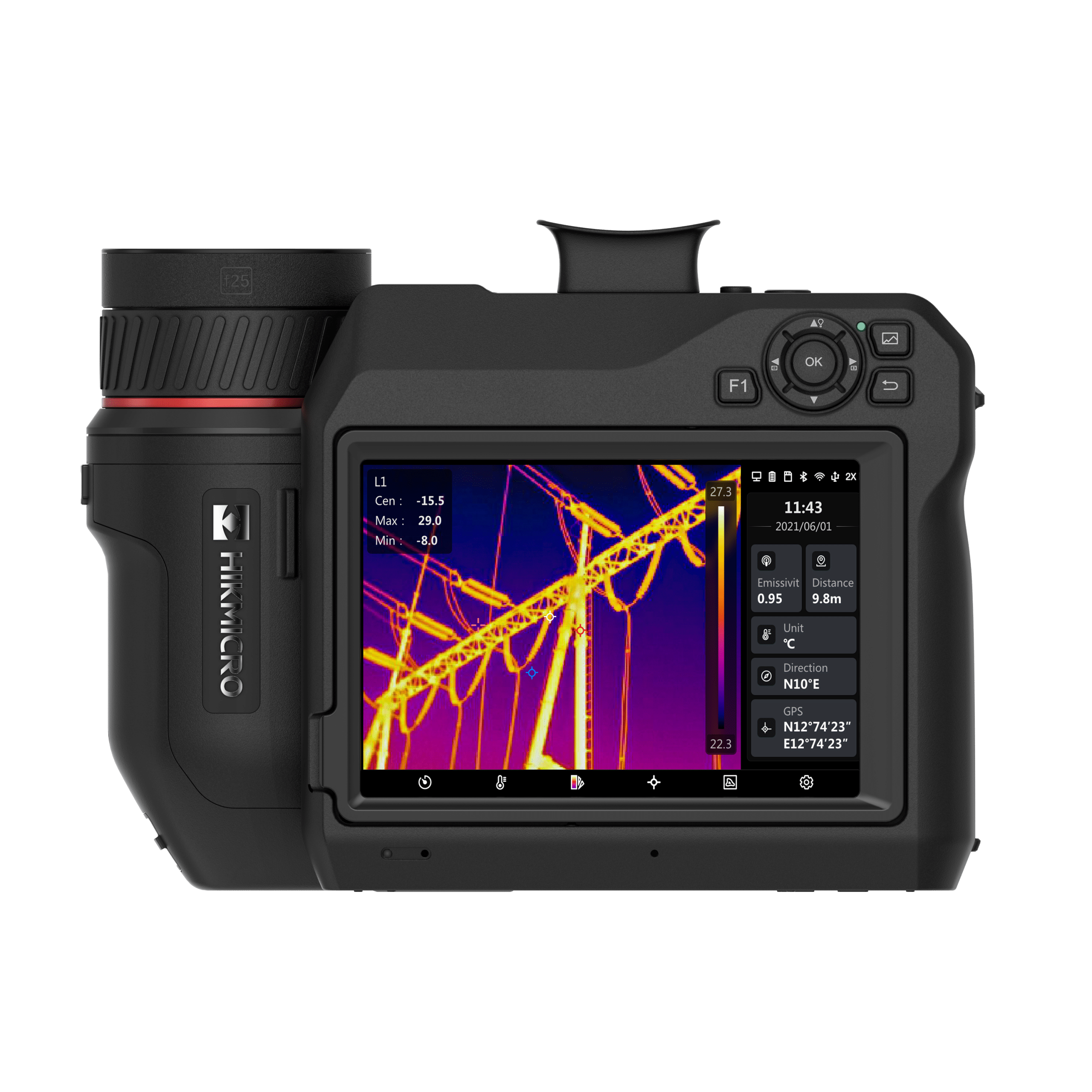
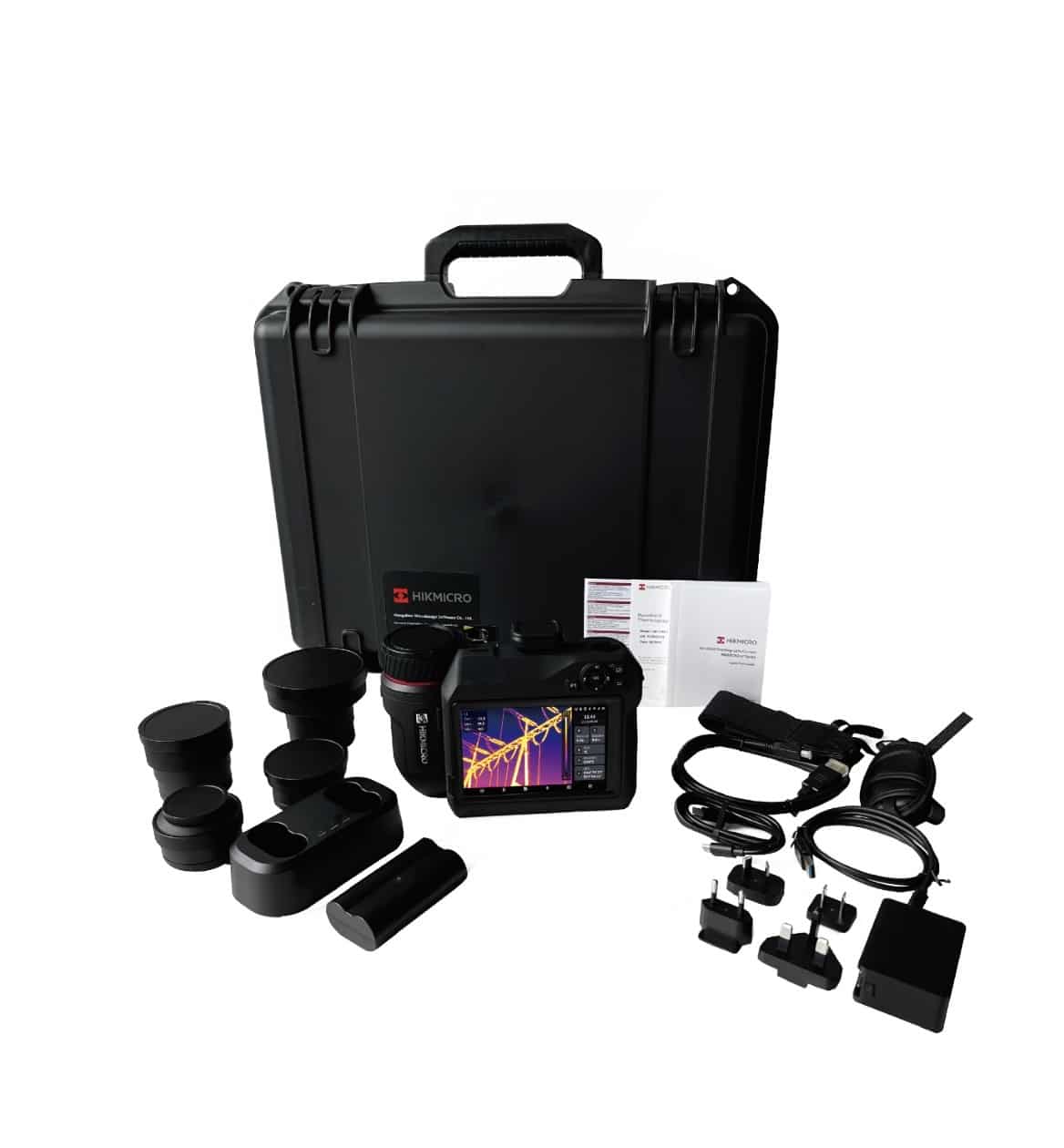
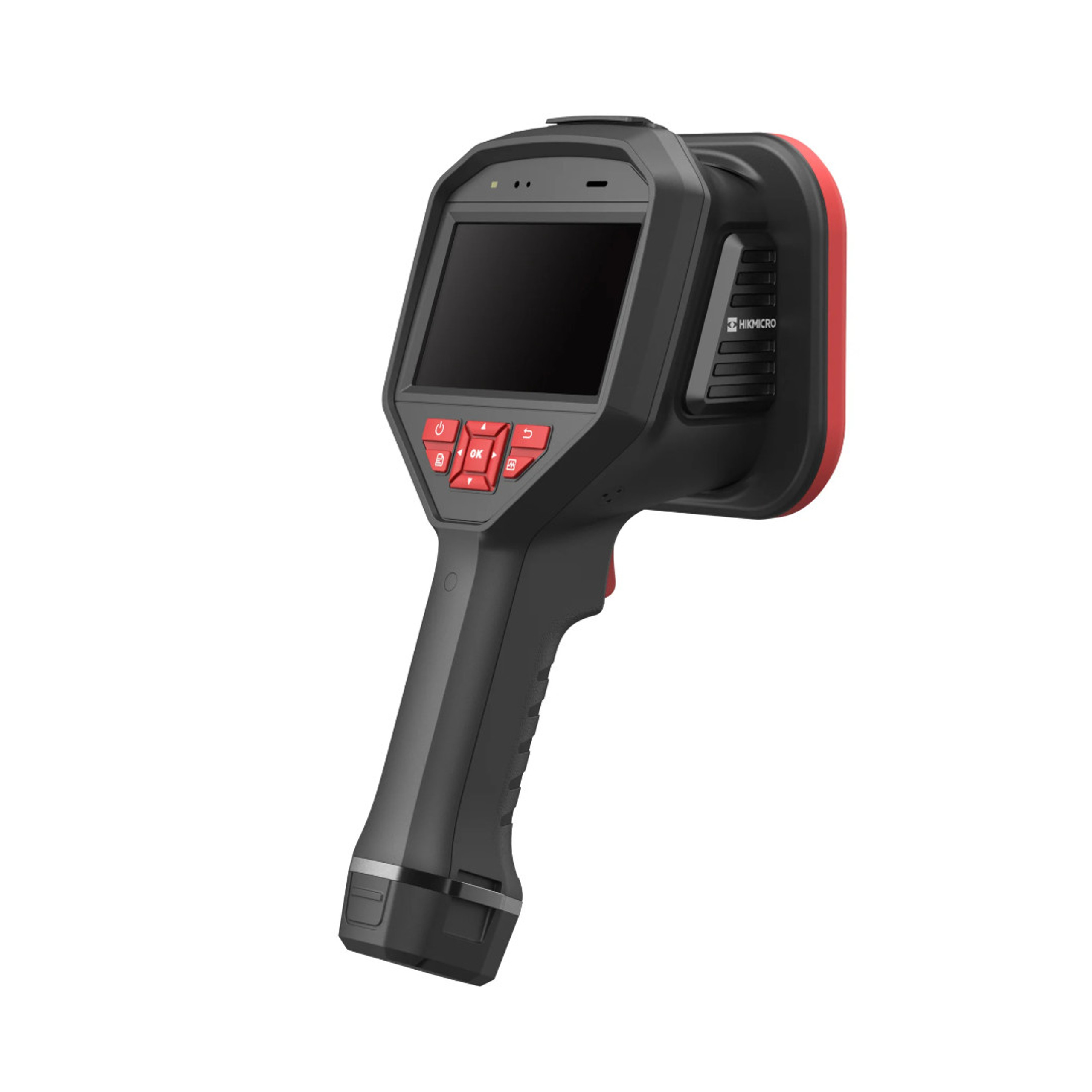
The AD22P-I kit is built around indoor scenarios specifically — it isn’t trying to be everything to everyone. You get the AD22P main unit with its 7″ touchscreen, the dedicated high-sensitivity indoor sensor, a headset for clear audio monitoring in noisy environments, and a hard carry case to keep the kit protected and organised between jobs. The unit auto-recognises the connected sensor, so there’s no manual configuration step slowing you down on site — attach the indoor sensor and the AD22P-I is ready to work.
Because this is the indoor-specific kit, it doesn’t include the outdoor ground-contact sensor or listening sticks that come with HIKMICRO’s outdoor and combo kits. If your work regularly takes you outside the building envelope — service lines, courtyards, paved areas — the AD22P-O or the combined AD22P-I/O kit will cover that ground as well. For technicians whose leak detection work is squarely indoor plumbing, wall, floor, and underfloor heating investigation, the AD22P-I is the more focused, better-value option.
Built for a full day on site
Battery life matters when you’re moving between jobs or working through a large commercial floor plate, and the AD22P-I is rated for up to 11 hours of continuous operation from its rechargeable Li-ion battery, with a 4-hour charge time when you do need to top it up. Audio findings are stored on the device and image captures can be saved directly for reporting, with the touchscreen giving you a straightforward way to review captured data on site before you finalise a diagnosis. Data connects out via USB 2.0 (USB Type-C), making it simple to pull captured audio and images across to a PC for closer review, documentation, or client reporting via HIKMICRO’s companion software.
Who reaches for the AD22P-I
Plumbing contractors chasing intermittent leaks in occupied homes, where cutting into the wrong wall isn’t an option. Facility managers and body corporate maintenance teams responsible for aged buildings with ageing copper or PEX runs behind finished surfaces. Hydronic heating specialists needing to trace a leak in an underfloor loop without lifting an entire floor. Insurance assessors and building inspectors who need to document leak location and extent as part of a claim or condition report. In each case, the value isn’t just finding the leak — it’s finding it with enough confidence to justify where you’re about to cut, drill, or dig.
Why source it through us
We stock and support HIKMICRO’s acoustic leak detection range specifically for Australian trade professionals, which means local advice on which kit configuration actually suits your work, straightforward access to accessories and consumables, and after-sales support from people who understand test and measurement equipment rather than a generic electronics retailer. If you’re weighing up the AD22P-I against the outdoor or combo kit, we’re happy to talk through which one matches the jobs you’re actually doing.
Technical Specifications
| Specification | Value | Why It Matters |
|---|---|---|
| Model / Kit Code | HM-AP21-AD22P-I | Indoor-specific kit configuration — main unit plus indoor sensor only |
| Display | 7″ LCD, 1024 × 600 touchscreen | Large enough to review SuperDetect results and captured data clearly on site |
| Frequency Range | 200–16,000 Hz | Wide overall range lets the device be tuned to different leak-noise characteristics |
| Band Pass Filters | Indoor Mode 1: 5,000–16,000 Hz; Indoor Mode 2: 8,000–16,000 Hz; Custom Mode: 200–16,000 Hz | Two indoor-tuned presets plus a fully adjustable custom band for non-standard scenarios |
| SuperDetect | Yes (indoor mode only) | Automatically highlights likely leak locations on-screen, reducing reliance on listening experience alone |
| Amplification | Manual | Technician retains control over gain to suit ambient noise conditions |
| Inspection Modes | Quick Inspection Mode; Route Inspection Mode | Supports both fast area screening and structured multi-point investigation |
| Screen Brightness | Manual / Auto | Usable in both dim internal spaces and brighter work areas |
| Audio Storage | Yes — files reviewable on PC only | Findings can be archived and reviewed away from site for reporting or peer review |
| Audio File Format | .wav | Standard, widely compatible audio format for record-keeping |
| Image Storage | Yes | On-device capture supports photographic documentation of inspection points |
| Image Format | .jpeg | Standard format for easy inclusion in reports |
| USB Interface | USB 2.0, USB Type-C | Straightforward, modern data transfer to PC |
| Battery Type | 3.6V–3.635V rechargeable Li-ion | Rechargeable pack avoids the cost and waste of disposable batteries |
| Battery Operating Time | Up to 11 hours | Supports a full working day between charges |
| Battery Charging Time | 4 hours | Quick enough to top up overnight or between jobs |
| Protection Level | Main Body: IP40; Indoor Sensor: IP40 | Reflects the unit’s intended use in dry indoor environments |
| Drop Test Height | 1.2 m | Rated to survive an accidental drop from typical bench or ladder-step height |
| Working Temperature | -10°C to 50°C | Suited to the range of indoor Australian trade conditions, from air-conditioned offices to uncooled ceiling spaces |
| Storage Temperature | -40°C to 70°C | Wide storage tolerance for a ute toolbox or site vehicle |
| Relative Humidity | <90% non-condensing | Standard tolerance for humid Australian conditions |
| EMC Compliance | EN 55032, EN 55035, EN IEC 61000-3-2, EN 61000-3-3, EN IEC 61326-1 | Confirms electromagnetic compatibility per the manufacturer’s listed European EMC standards |
| Weight (kit components) | Main Body 712 g; Handle Grip 305 g; Headset 190 g; Indoor Sensor 340 g | Reflects the actual carry weight of the indoor-specific kit configuration |
| Included Accessories | Headset, hard carry case | Headset supports clear audio monitoring in noisy environments; hard case protects the kit in transit |
What is the HIKMICRO AD22P-I used for? The AD22P-I is an acoustic leak detector built for locating hidden water leaks inside buildings — behind walls, under floors, and within underfloor heating pipework — without needing to cut into finishes to find the source first.
How does the AD22P-I find a leak without seeing it? It listens for the acoustic signature that pressurised water makes as it escapes through a crack or joint, using a dedicated indoor sensor and adjustable band-pass filters to isolate that sound from general building noise, then uses SuperDetect to highlight the most likely leak zone on-screen.
What’s the difference between the AD22P-I and the AD22P-O? The AD22P-I is fitted out for indoor work with a high-sensitivity indoor sensor, while the AD22P-O is configured for outdoor, ground-contact leak detection with an outdoor sensor and listening sticks. The AD22P-I/O combo kit includes both sensor types for technicians who need to cover indoor and outdoor scenarios with one device.
Can the AD22P-I detect leaks in underfloor heating pipes? Yes — underfloor heating loops are one of the harder indoor leak scenarios to diagnose without invasive investigation, and it’s a typical use case for the indoor sensor and SuperDetect combination.
How long does the AD22P-I run on a single charge? The unit is rated for up to 11 hours of continuous operation from its rechargeable Li-ion battery, with a 4-hour recharge time.
Does the AD22P-I require training to use effectively? It’s designed to be usable by both new and experienced technicians — SuperDetect assists less experienced users by highlighting likely leak zones, while the manual amplification and custom frequency mode give experienced technicians full control when they want it.
What inspection workflows does the AD22P-I support? Two modes: Quick Inspection Mode for fast, comparative screening of a suspected area, and Route Inspection Mode for structured, multi-point investigation across a wider space.



Reviews
There are no reviews yet.