
 Promotions




Water Leak Detection Applications
Underground water leak detection
The Sniffer430 can detect water leaks in plastic or metal pipes located underground, even if they’re buried under various soil types, grass, or paved with stones. The device is very reliable and can detect leaks at a significant depth.


Underfloor water leak detection
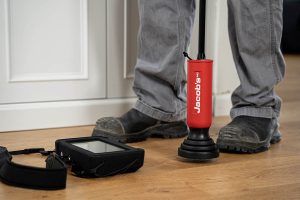
The Sniffer430 is great for detecting water leaks beneath different types of flooring, including wood and ceramic tile. Its high sensor sensitivity allows for quick detection of even the smallest leaks.
Leak detection in walls
The Sniffer430 is an excellent solution for identifying the source of leaks in walls, hard-to-reach areas, and behind furniture, without requiring direct contact.


Sniffer430 device design
The Sniffer430 is a device that comes with a large 7-inch capacitive touchscreen, hand and neck straps, and a protective silicone cover. It is easy to use, lightweight, and ergonomic.
Sniffer430 tracer gas sensor
Sniffer430 has created a unique wireless sensor that includes an air pump, which enables quick detection of even small amounts of hydrogen.

Underground water leak detection
The Sniffer430 can detect water leaks in plastic or metal pipes located underground, even if they’re buried under various soil types, grass, or paved with stones. The device is very reliable and can detect leaks at a significant depth.
Underfloor water leak detection
The Sniffer430 is great for detecting water leaks beneath different types of flooring, including wood and ceramic tile. Its high sensor sensitivity allows for quick detection of even the smallest leaks.
Leak detection in walls
The Sniffer430 is an excellent solution for identifying the source of leaks in walls, hard-to-reach areas, and behind furniture, without requiring direct contact.
Sniffer430 device design
The Sniffer430 is a device that comes with a large 7-inch capacitive touchscreen, hand and neck straps, and a protective silicone cover. It is easy to use, lightweight, and ergonomic.
Sniffer430 tracer gas sensor
Sniffer430 has created a unique wireless sensor that includes an air pump, which enables quick detection of even small amounts of hydrogen.
Here’s your FAQ entry plus a rich-text-ready version of the full tracer gas section:
How much tracer gas do I need for a leak detection test?
The amount of tracer gas required depends on three variables: pipe length, internal diameter, and test pressure. Use this formula to calculate your volume before every test:
Gas Amount (litres) = π × L × D² ÷ 4 × P
Where L is pipe length in metres, D is the internal diameter in metres, and P is the applied pressure in bar.
As a practical example: a 100-metre pipe with a 100 mm internal diameter pressurised to 1 bar requires approximately 785 litres of tracer gas. Always add a buffer on top of this figure — a pipe that is actively leaking will continuously bleed gas during the test, so your initial fill volume may not hold for the duration of the job.
Quick Reference: Tracer Gas Volume by Pipe Size and Pressure
| Pipe Length (m) | Internal Diameter (mm) | Pressure (bar) | Gas Required (approx. litres) |
|---|---|---|---|
| 50 | 50 | 1 | 98 |
| 50 | 100 | 1 | 393 |
| 100 | 50 | 1 | 196 |
| 100 | 100 | 1 | 785 |
| 100 | 150 | 1 | 1,767 |
| 100 | 100 | 2 | 1,570 |
| 200 | 100 | 1 | 1,570 |
Three Practical Tips Before You Start
1. You don’t need to remove all water first. In most field situations, tracer gas testing can begin without fully purging residual water from the pipe — saving you significant time on live or occupied sites.
2. Factor in leak losses. If the pipe is already compromised, gas volume will drop during the test. On longer jobs or heavily leaking systems, budget for top-up supply to maintain pressure throughout.
3. Use drained water as your volume guide. The water you drain from the pipe gives you a reliable approximation of the internal void — which translates directly to the gas volume you’ll need to fill and pressurise the system.
About the Tracer Gas Mixture
The Jacobsniffer system uses a 5% Hydrogen / 95% Nitrogen mixture — a non-flammable, non-toxic blend approved for use in enclosed spaces, underground infrastructure, and occupied facilities. This ratio is the industry-standard for leak detection work, delivering the sensitivity required to locate even micro-leaks without the safety risks associated with pure hydrogen. Tracer gas is available through Agas Australia and other industrial gas suppliers nationwide.
 Subscribe to Rapid-Tech channel
