 Promotions



Make New Connections at Australia's Largest Electronics Event! 2026 Rosehill Gardens Event Centre - Sydney 3-4 June Design, Develop, Manufacture with the Latest Solutions Why visit our stand – booth D10...






There are no upcoming Events at this time.


Your basic bench instruments are the backbone of your test bench. And with the way technology is advancing, it’s critical you have proven pro-level measurement technologies providing accuracy and precision you can trust. That’s why we’re excited to tell you about Keysight’s new Smart Bench Essentials Plus portfolio.
When you advance your basic bench with Smart Bench Essentials Plus, you can rely on the quality, stability, and safety of test instruments certified to industry standards and uncover insights quickly with integrated productivity tools.
For more information visit Smart Bench Essentials PlusIntroducing the R&S®MXO 5 Series Oscilloscope – the world’s first oscilloscope designed to revolutionise your power conversion testing performance.
Learn More...✔ Oscilloscopes ✔ Power Supplies
✔ Bench DMM ✔ Function Generators
High-Speed Data Acquisition System
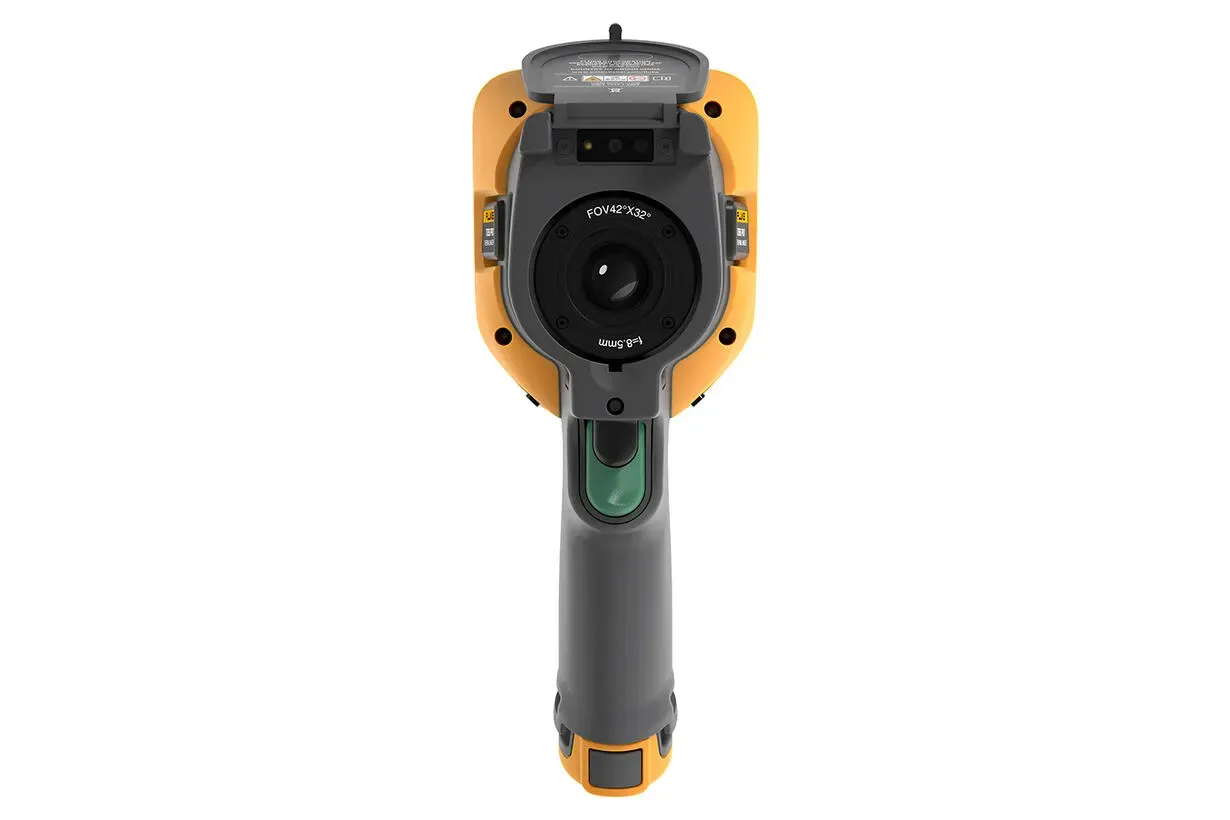
All Thermal Imagers / Infrared Cameras

Accessories

Insulation / Continuity Testers

All Thermal Imagers / Infrared Cameras

InfiniiVision 4000 X-Series Oscilloscopes

All Thermal Imagers / Infrared Cameras
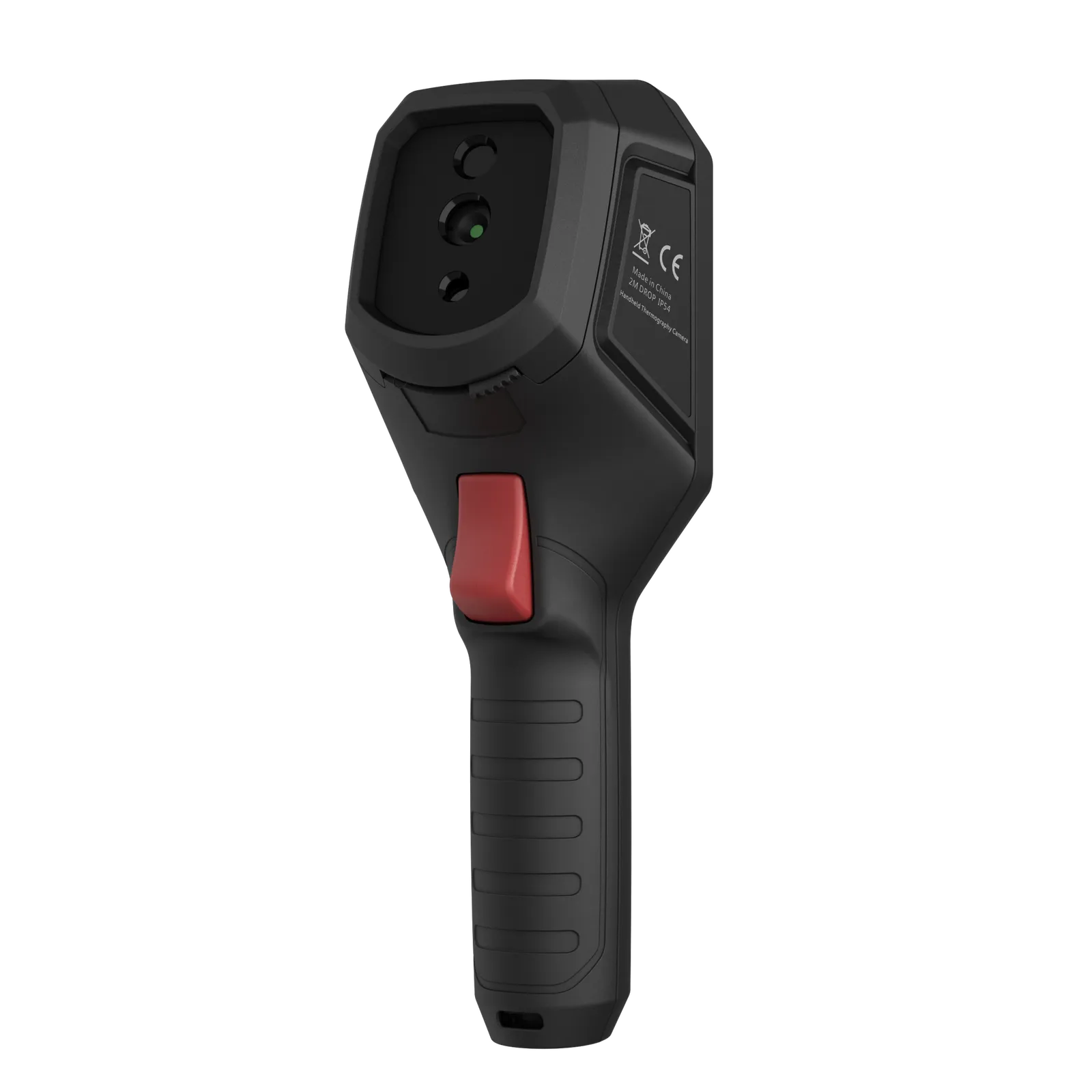
Handheld Thermal Imager
Building Infrastructure
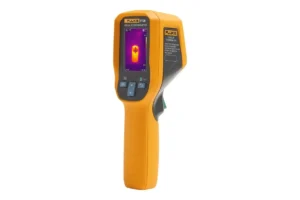
Fluke VT06 Visual IR Thermometer | Thermal Imaging Australia

All Thermal Imagers / Infrared Cameras
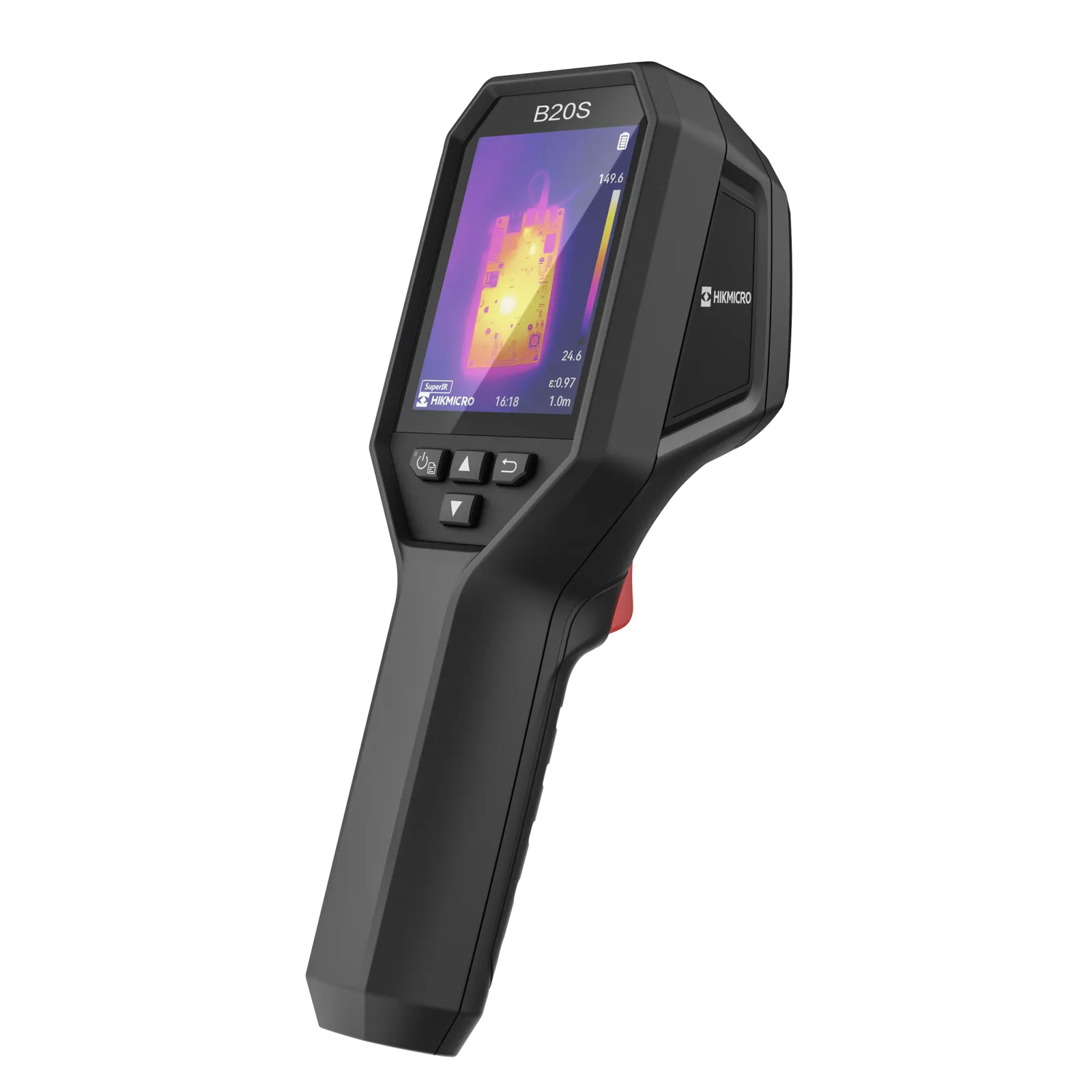
Handheld Thermal Imager
All Thermal Imagers / Infrared Cameras

Frequency Counters/Analyzers
Pendulum CNT-104R Multi-channel Rubidium Frequency Calibrator / Analyzer
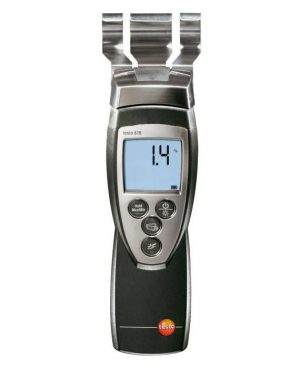
Moisture Meter

Moisture Meters

Accessories




Rapid-Tech Equipment was started in 1996 by Mike Collins after many years working in senior management in a number of the world’s leading test equipment companies. He believed there was a need for a company that could provide advice & high quality test & measuring equipment to it’s customers at a substantial cost savings.So, when you are in the market to buy test equipment, Rapid-Tech Equipment is your complete Test, Measurement & Diagnostic Equipment resource.
This website is designed to provide the most-up-to-date technical information, and it is hoped that you our customer will find out everything you need to know without having to look further.
Multimeters, Environmental Analyzers, Thermal Imagers, Vibration Analyzers, Digital Oscilloscopes, Lux Meters Power Supplies, Signal Sources, Wireless Test Tools, Thermal Imagers, Power quality recorders, Power Station Equipment, Infrared Cameras, Sound Level Meters, Spectrum Analyzer, Calibration Software, Standard Lab Equipment, Clamp-on meters, Air Quality Instruments, Micro-ohmmeters, Ground Resistance testers, Water Quality Meters, Bench Meters, DMM’s, HVAC testers, Temperature and Temperature Standards, Light meters, Hand-Held Equipment, Specialty probes and more…
Rapid-Tech Equipment sells products from many different manufacturers and most of our products come with a guarantee or warranty from the manufacturer. In addition they come with Rapid-Tech Equipment’s guarantee and the added protection of Australian Consumer Law. It may be of interest that on some of the products we sell we offer a longer warranty period than that offered by the manufacturer! You, as our customer, are entitled to a replacement or refund for a major failure within the warranty period. Full details of your consumer rights may be found at www.consumerlaw.gov.au. Our Terms and Conditions of Sale can be found here.


At Rapid-Tech we take pride in the level of service and advice we provide our customers and our aim is always to try to exceed our customer’s expectations. It is in our interest to ensure that you, our customers, are happy with your purchase, and in the event of a problem we will always endeavor to find a equitable solution. We have been in business for over twenty years aiming to give our customers outstanding service and if you are unhappy with any element of your dealings with us then please contact me directly on my email below.
We have many years of experience in Test & Measurement and we won’t necessarily sell you what you “want”,
but we will always ensure we sell you what you “need”